Music's Role in Activism
We frequently overlook the role of symbolism and double entendre in modern songwriting, yet within the melodies, there are so many hidden gems carrying messages that many ears think belong to the past. If you listen closely however, you can still hear today’s artists echoing the messages of their predecessors.
Take for example Hozier’s “Nina Cried Power”. This song pays homage to Nina Simone’s “Sinnerman” –celebrating her legacy and activism. Both songs use powerful symbolism to convey themes of resistance against oppression, injustice and the struggle for human rights.
“Power has been cried by those stronger than me…straight into the face that tells you to rattle your chains if you love being free.” This line from “Nina Cried Power”, references the hypocrisy of those people in power who chant freedom while having you in chains.
The line "It's not the waking, it's the rising" emphasizes the necessity of action not just in awareness but also in speaking out against oppressive systems. Hozier reminds us that uncertain times have been faced before: slavery, racism, and various forms of discrimination —and these have all been overcome by incredibly brave people.
These examples illustrate that voices of the past continue to resonate and inspire us through music.
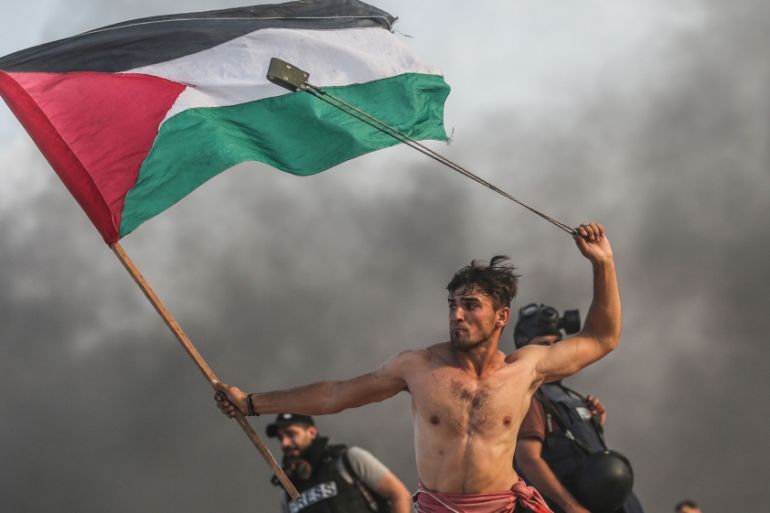
Let’s fast forward to the present, there is still protest music especially following the #MeToo and Black Lives Matter movements. Artists are using their music and platform to amplify the voices calling for systemic change and raise awareness of important issues –some of which are often dismissed. Songs like "Allah Yihmeeki" by Saint Levant and "Praying" by Kesha have grown to become anthems of empowerment and resistance, drawing inspiration from both political struggles and personal battles that many face behind closed doors.
But contrary to the past (and even the present if we’re being honest), not everyone sees the need to address these struggles and certainly not through the lyrical route. In some parts of the world, some governments prioritize militarization over addressing humanitarian crises and ensuring their people have access to food, healthcare, and education. The profits reaped from war are reinvested into political and financial gain, leaving close to nothing for their population.
You’d think these issues would radicalize us but they don’t…unless they affect us directly. Yet, they are embedded in every society and have been throughout history.
By recognizing the incredible power of music, we embrace its ability to promote empathy, unity, and peace so viewed in this light, it’s not only a form of art but a tool for driving change. Actively listening to the powerful messages we’re being sent through melodies and lyrics allows us to break the smoke mirrors and finally realize that no one is truly free unless all of us are –given how interconnected our societies are. One way or another, the oppression of one group inevitably affects countless others, seeing as injustice anywhere is a threat to justice everywhere.
It is therefore our duty to make sure that the sounds of equality harmonize with every area of our lives and societies.
Comments
Post a Comment